 FHN
One-off job
Standard format: one complete job with a start date, defined phases and handover of the keys/property.
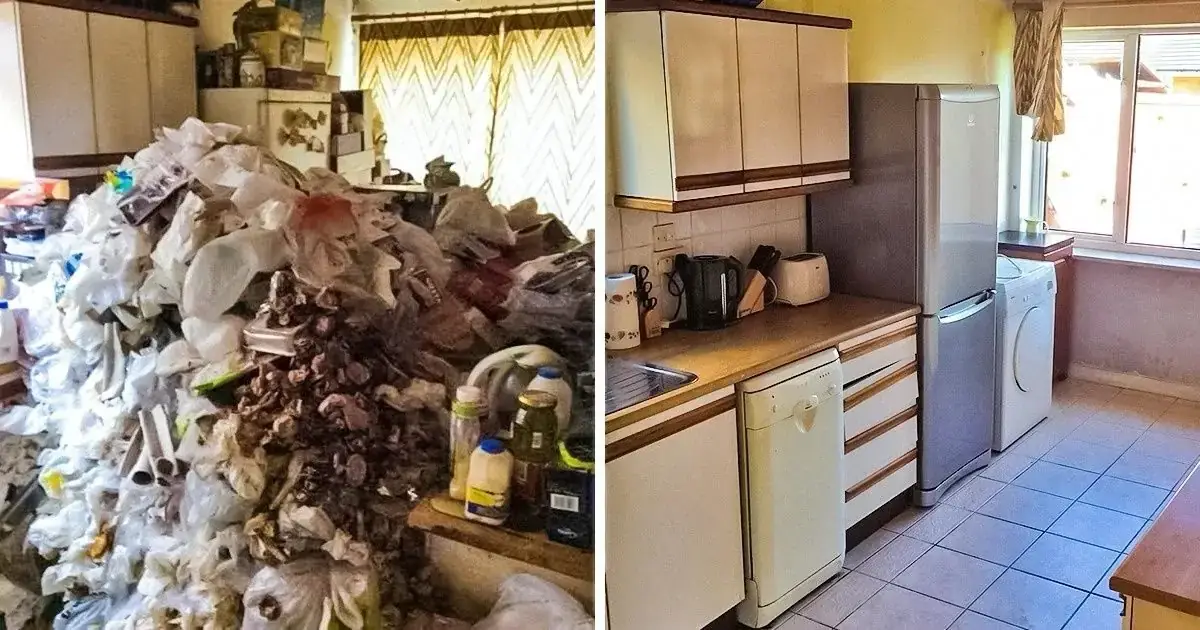
Squalid properties, Diogenes syndrome (severe hoarding), extreme accumulation: clearance, disinfection and full restoration. Discretion, respect and confidentiality.
Extreme cleaning and dealing with Diogenes syndrome situations take far more than technical know-how: they call for discretion, respect and an organisation able to turn a squalid property into a safe place to live. FHN Clean supports families, property managers (syndics), landlords, CPAS (public social welfare centres) and social services in Mons, across the province of Hainaut, in Brussels and in Wallonia. Every job is handled in confidence, without judgement and by an experienced team.
Save time: send us the floor area, the frequency you want and photos.
The quote form lets you upload images (current condition / access constraints), which speeds up the handling of your request.
📞 +32 65 22 92 44 · contact form
A structured method that delivers consistent, documented and repeatable results from one visit to the next.
A phone call or a meeting on site, in strict confidence. No photos are shared.
A visit with the main contact (family, syndic, CPAS) to estimate the volume, the level of risk and any specific needs.
A written proposal setting out the phases of the job, the team required, the estimated duration and the logistics (skips, partners).
Equipment set-up: PPE, skips, suitable products, partners for disinfection or pest control.
Trained team, work carried out in phases (clearance, cleaning, disinfection). Regular updates for the main contact.
Property cleaned, disinfected and aired. Final photos provided to the person who requested the work (not shared externally).
Standard format: one complete job with a start date, defined phases and handover of the keys/property.
For complex situations: interim sorting with the family first, then a full clean at a second stage.
On request, we come back a month later for a check, to make sure the situation stays stable.
FHN Clean carries out extreme cleaning and handles Diogenes syndrome situations in Mons, throughout Hainaut, in Charleroi, La Louvière, Tournai and in Brussels. For urgent situations (public health, damage), we prioritise your request.
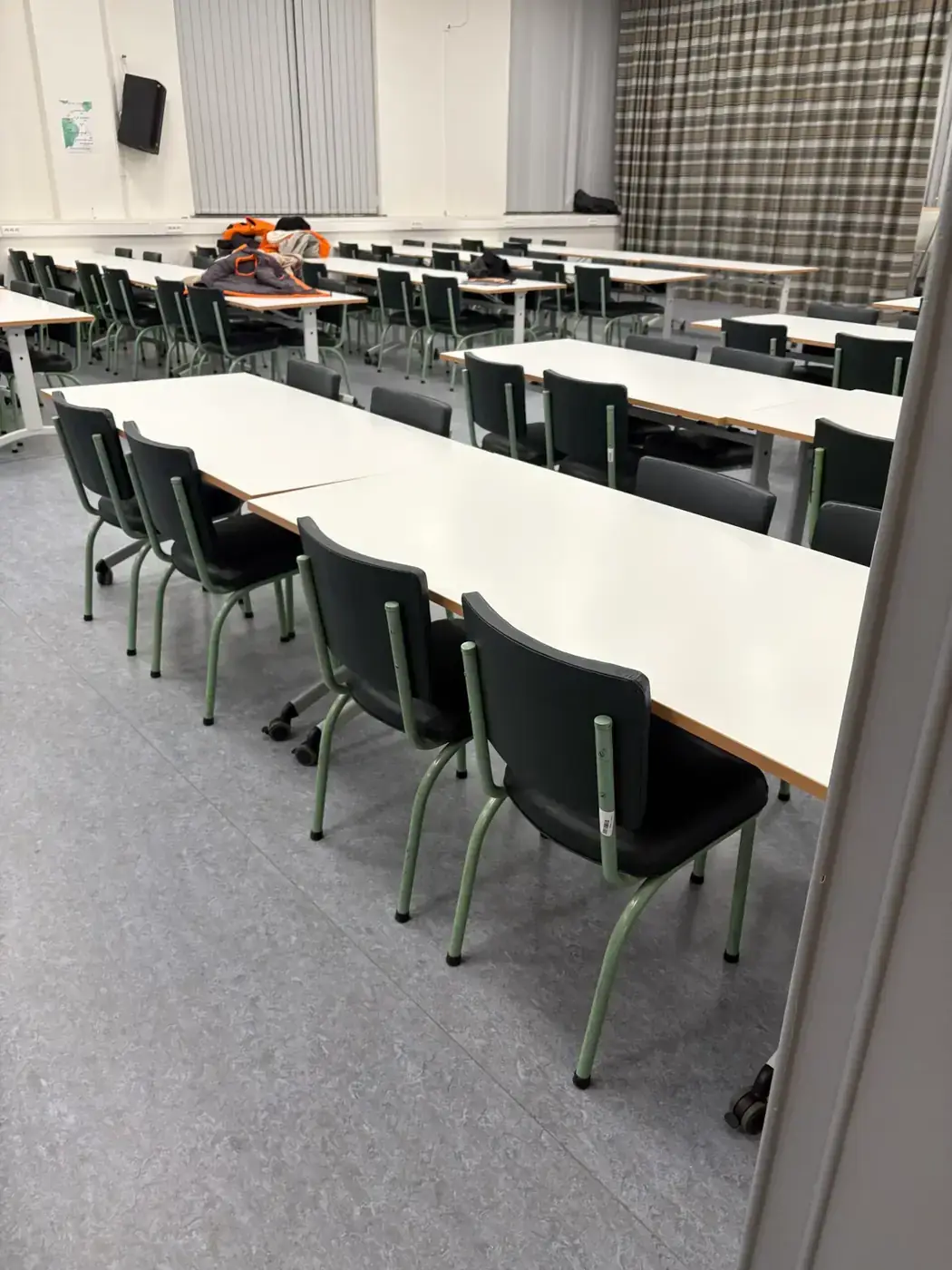
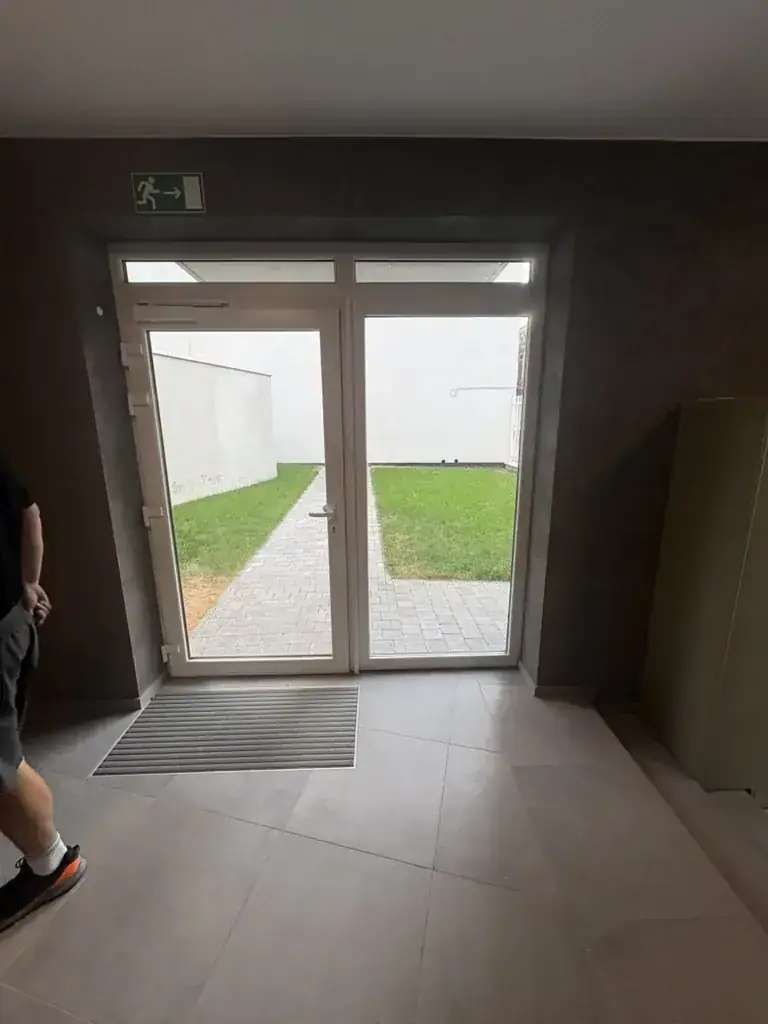
Entrance halls, stairwells, car parks, contracts for property managers (syndics).
View page →
We do not publish any photos of these interiors. They are the homes of people who have died or of people going through hard times, and no family has given us permission — the discretion we promise starts there. The figures, on the other hand, come from our time records, hour by hour.
| Where | What it was | Visits | Hours | When |
|---|---|---|---|---|
| Nivelles | After a death, cluttered home | 9 | 46,3 h | 3 → 11 September 2026 |
| Quiévrain | Extreme, with rat control | 11 | 35,7 h | 31 August → 1st September 2026 |
| Mons | Diogenes syndrome | 6 | 32,7 h | 14 August 2026 |
| Mons | After a death, squalid property | 4 | 13,2 h | 28 August 2026 |
This table tells you something useful: a property in an extreme state is not a one-day job. It takes between two and six days of work with several people. Anyone who quotes you a flat rate over the phone without having come round doesn’t know what is behind the door — and will make you pay for it some other way.
This is the most costly misunderstanding. A 60 m² flat filled to the ceiling takes more work than a half-empty 150 m² house. What we price is what has to come out, and our benchmarks are measured figures: 20 m³ on a job in Nivelles, 3 m³ in a home in Mons. Between the two, there is a factor of seven.
The second factor, almost as significant: the floor and the access. A third floor with no lift and a narrow stairwell doubles the removal time for the same volume.
Everything goes to a licensed waste facility, sorted, with proof of disposal. This is not excessive zeal: whoever holds waste remains responsible for where it ends up. If someone clears your home for less and dumps the lot in a wood or in someone else’s skip, it comes back to you, in your name. Ask anyone who gives you a price for proof of disposal.
Half the time, it isn’t the person concerned. It’s people close to them — a son, a sister, a neighbour — and professionals: social workers, property managers, notaries, lawyers, estate agents, CPAS. Our two biggest jobs this summer came to us one through a law firm, the other through a social service.
If you are one of these professionals: we work with a written quote before the job, a detailed invoice and an end-of-job report. And we have never turned down a property because it was too dirty.
This is the only part of our work where the most important skill is not a technical one. Behind a cluttered home there is almost always a person in difficulty, an exhausted family, or an owner discovering a situation they don’t understand. That is what we work on first.
An unmarked vehicle if you wish, no conversations in the stairwell, no photos shared. The neighbours don’t need to know.
Our teams are prepared for what they will find. Nobody makes comments, neither on site nor afterwards.
Papers, photos, jewellery, keepsakes: we set them aside and show you. What is thrown away is your decision, never ours.
Rodents, cockroaches and fleas are common in these homes. Rodent or insect control is done before the bulk of the job whenever possible: clearing the premises first drives the animals next door, and the problem comes back. We do it ourselves: FHN Clean is registered with the FPS Public Health as a professional biocide user (restricted circuit) and carries out treatments under its La Sentinelle brand. One provider, one schedule, and a treatment record that proves what was put down and removed.
If the property is too cluttered for a technician to work, we proceed in two stages: clearing walkways and bait points, treatment, then resuming the job.
It isn’t the floor area: it’s the volume to be removed, how high things are piled, the floor and the access. A studio filled to a height of one and a half metres on a third floor with no lift costs more than a half-empty single-storey house. Disposal fees also count, and they are passed on at actual cost.
We always itemise removal separately from cleaning. Two reasons: you can see what you are paying for, and if a third party — insurer, landlord, family — has to cover part of it, the line item is already there.
Depending on the situation, a job may be covered in full or in part by home insurance, an owner as part of a restoration, a CPAS, a health insurance fund (mutuelle) or a court-appointed administrator. We provide a detailed, dated quote written to be presented to a third party. We don’t do the paperwork for you, but we provide what you need to do it.
This type of job is prepared differently from ordinary cleaning, and we go into it in more detail on Éclaircie, the brand under which we carry out this work: Diogenes syndrome, cleaning after a death, squalid properties. There you will find what happens to belongings, who can help with the cost, and how we guarantee discretion.
Describe what you need in a few lines. We’ll reply within 24 working hours with a clear proposal.