 FHN
Daily
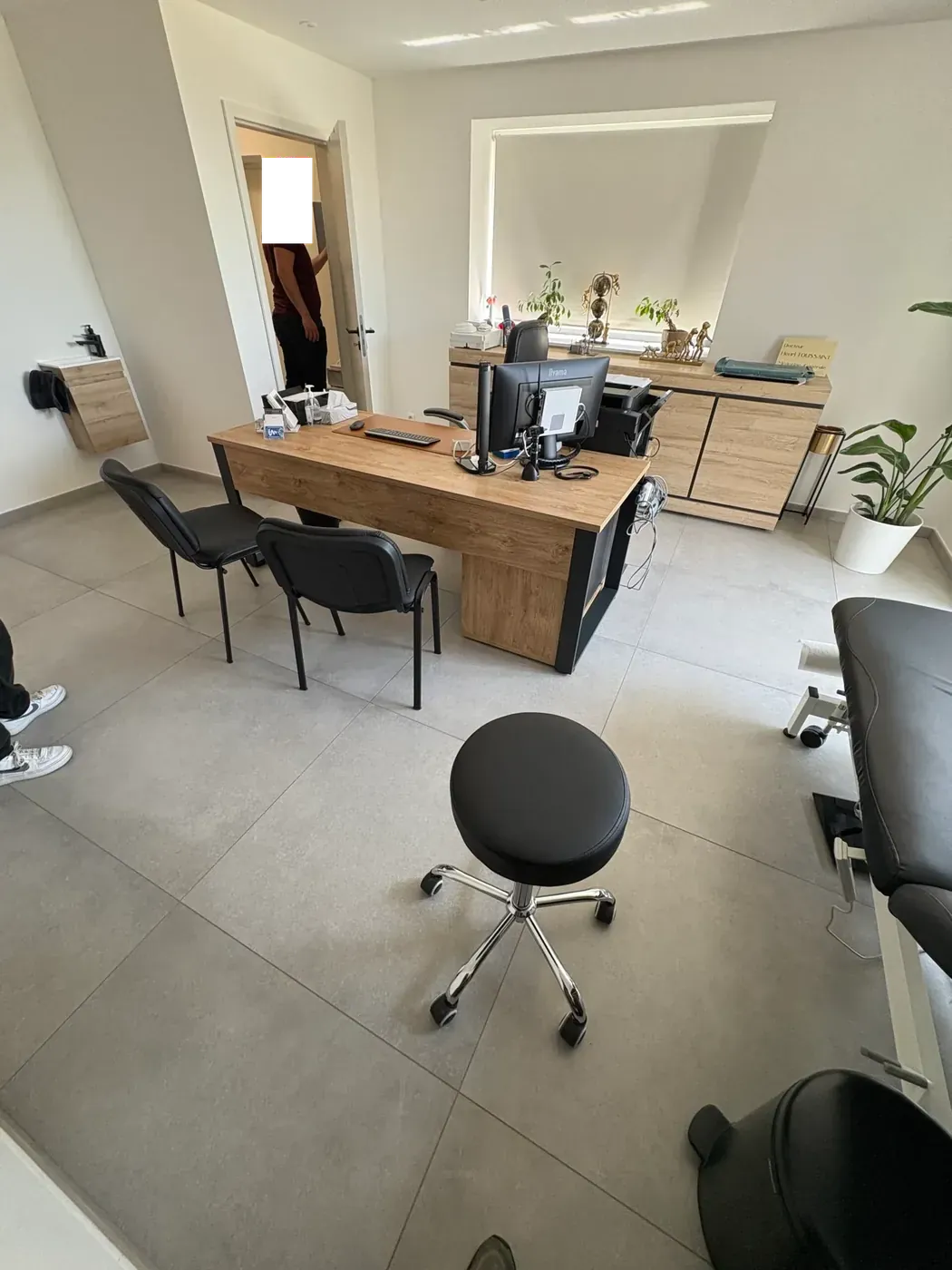
For busy practices (general practice, physios, medical centres): one visit per working day.
Medical practices, physiotherapists, dentists, healthcare professionals: cleaning and disinfection that respects sensitive areas, contact surfaces and confidentiality.
Cleaning a medical practice is not like any other cleaning job: it involves patient safety, the confidentiality of records and compliance with hygiene protocols. FHN Clean works for GPs, specialists, physiotherapists, dentists, osteopaths, nurses and other healthcare professionals in Mons, across Hainaut, in Wallonia and in Brussels. Our method distinguishes between administrative areas, waiting rooms, treatment rooms and toilets, with products suited to each level of risk.
Save time: send us the floor area, the frequency you want and photos.
The quote form lets you upload images (current condition / access constraints), which speeds up the handling of your request.
📞 +32 65 22 92 44 · contact form
A structured method that delivers consistent, documented and repeatable results from one visit to the next.
Visit to the practice, areas classified by level of risk, approval of products compatible with your protocol.
Daily tasks (floors, toilets, touch points), weekly (glazing, skirting boards), monthly (rarely used areas).
Briefing on sensitive areas, confidentiality, respect for documents and the ban on touching instruments.
Time slot outside patient hours (early morning or evening), dedicated team where possible, traceable visits.
Signed checklist at every visit, with the option of checking via before/after photos.
Monthly report available on request. WorkHubSpace for community health centres with several practices.
For busy practices (general practice, physios, medical centres): one visit per working day.
Three to four visits a week for medium-sized practices.
For small practices with limited activity: one thorough visit a week + in-house upkeep between visits.
FHN Clean cleans medical practices in Mons, across Hainaut, in Charleroi, La Louvière and in Brussels. For community health centres on several sites, we centralise management through WorkHubSpace.
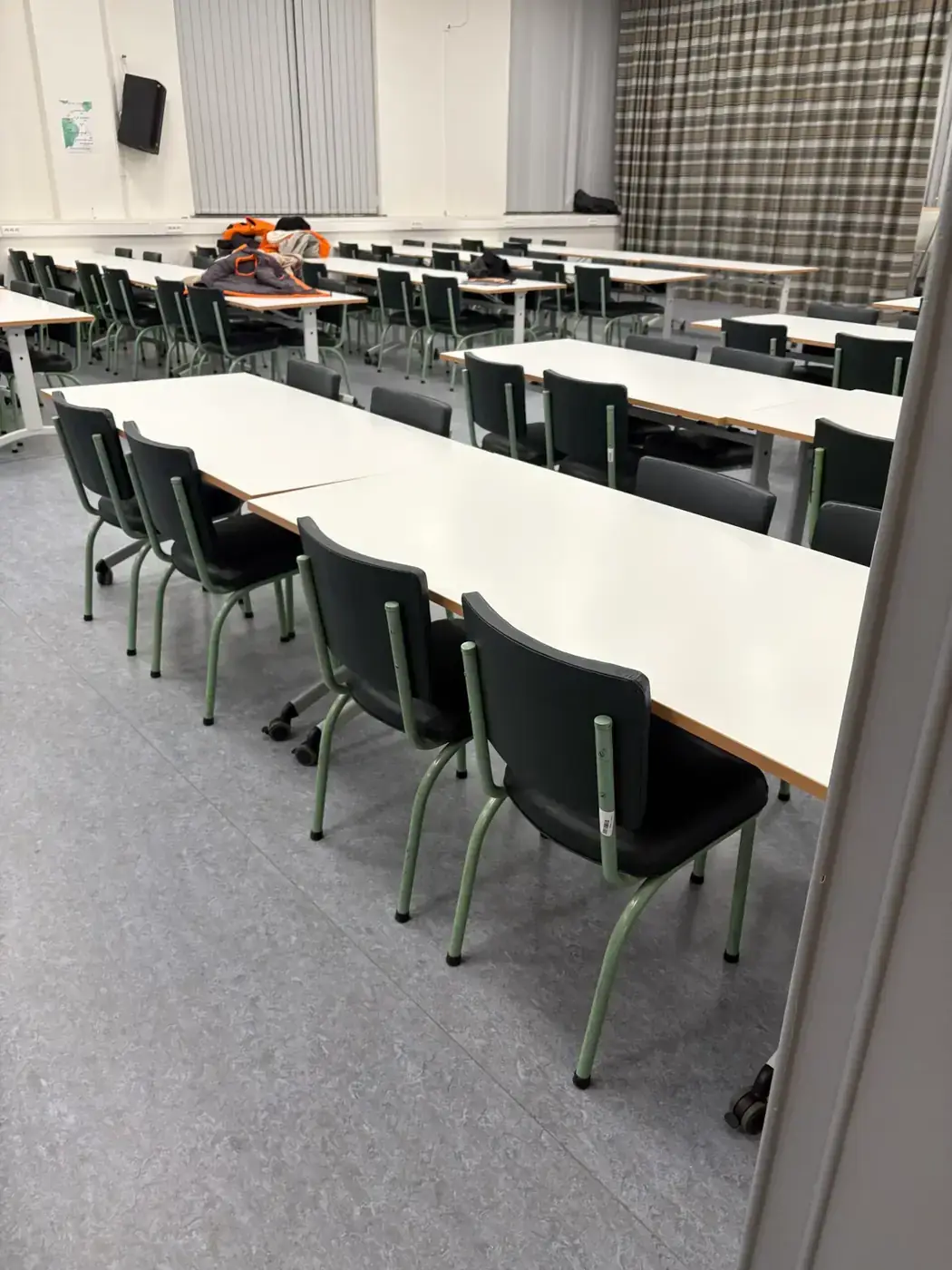
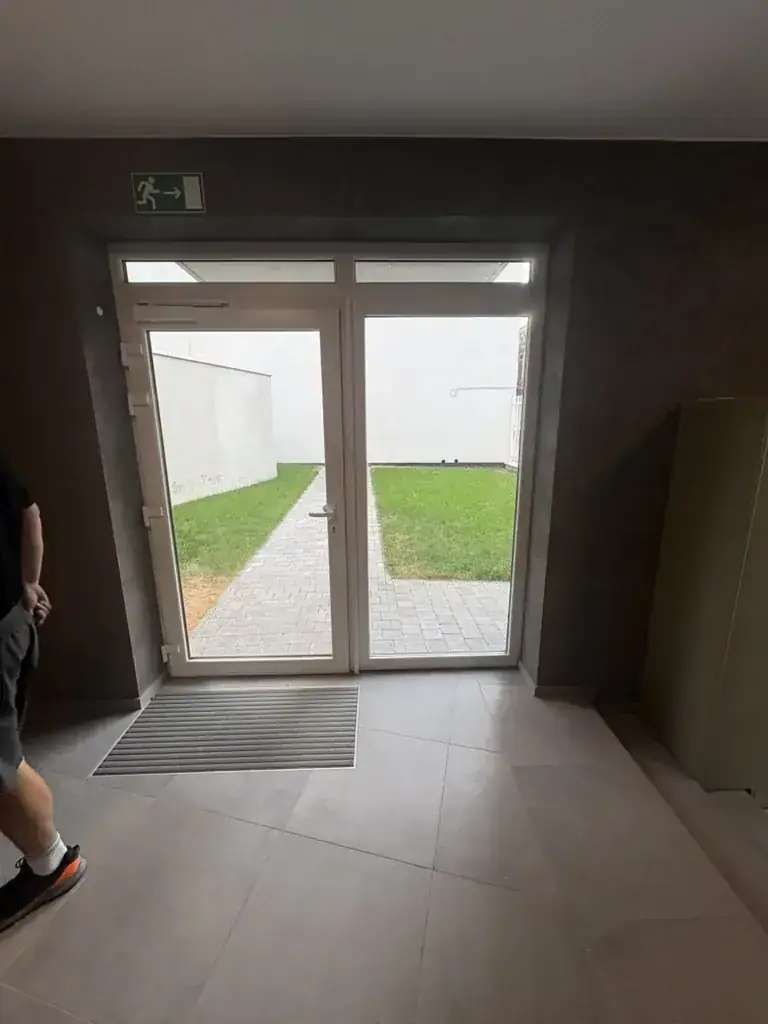
Entrance halls, stairwells, car parks, contracts for property managers (syndics).
View page →
A practice isn’t just cleaned: it is bio-cleaned. The difference fits in one sentence — the goal isn’t for it to be clean, it’s for nothing to pass from one patient to the next. Here is what we apply, and what you are entitled to demand from any contractor.
Everything starts there, and almost nobody follows it.
Colour-coding the equipment isn’t decoration: blue for furniture, red for toilets, and the two never cross. That’s what separates cleaning from moving germs around.
It’s the most common mistake, and the costliest: spraying a disinfectant and wiping it straight off does not disinfect. The molecule needs its contact time — often several minutes — and it’s written on the container. Wiping too early means paying for an expensive product to get the result of a damp cloth.
That time costs nothing in the schedule: the product works while we’re in the next room. The round still has to be organised for it, and that’s exactly what we do.
For viruses, insist on a product that is virucidal to standard EN 14476. A ‘disinfectant’ with no standard quoted guarantees you nothing and protects you from nothing.
A practice doesn’t close so that we can come in. We come before opening or after the last consultation, and for at least one hour — even for a small practice. Twenty minutes on site isn’t enough to respect a contact time, and therefore isn’t enough to disinfect. We’d rather say so up front than charge for work that didn’t happen.
In a practice, it isn’t the product that delivers hygiene — it’s the order of tasks, the contact time and traceability. An excellent disinfectant applied to a surface that hasn’t been cleaned disinfects nothing.
Cleaning removes dirt and organic matter. Disinfection reduces micro-organisms. The second only works if the first has been done: organic matter neutralises most disinfectants. That’s why we work in two stages, and never with a single product ‘that does it all’.
A second point that is often overlooked: the contact time. A disinfectant has an action time stated by its manufacturer. Wiping it off immediately is as good as not applying it. Our teams are trained to leave it to work, which makes the visit longer — and that’s normal.
Floors, surfaces, furniture, toilets, waiting room, touch points, windows, handling of general waste and cleaning textiles.
Medical equipment, sterilisable devices and infectious clinical waste, which fall under a regulated disposal channel and under the practitioner. We say so in the quote rather than leaving it vague.
A practice can’t be cleaned during consultations, nor between two patients in a hurry. In practice, two windows work: early morning before opening, or at the end of the day after the last patient. Group practices with extended hours sometimes need a reduced midday visit limited to touch points and toilets.
We fix the time window in the contract, with the same person wherever possible. In a practice, a consistent cleaner is worth more than a procedure: someone who knows the premises notices what has changed.
Every visit is time-stamped with a location check, and periodic jobs are photographed. In an inspection, an accreditation audit or when a patient asks a question, you produce a dated history instead of a recollection. The safety data sheets for the products used on your premises are kept available to you.
Describe what you need in a few lines. We’ll reply within 24 working hours with a clear proposal.